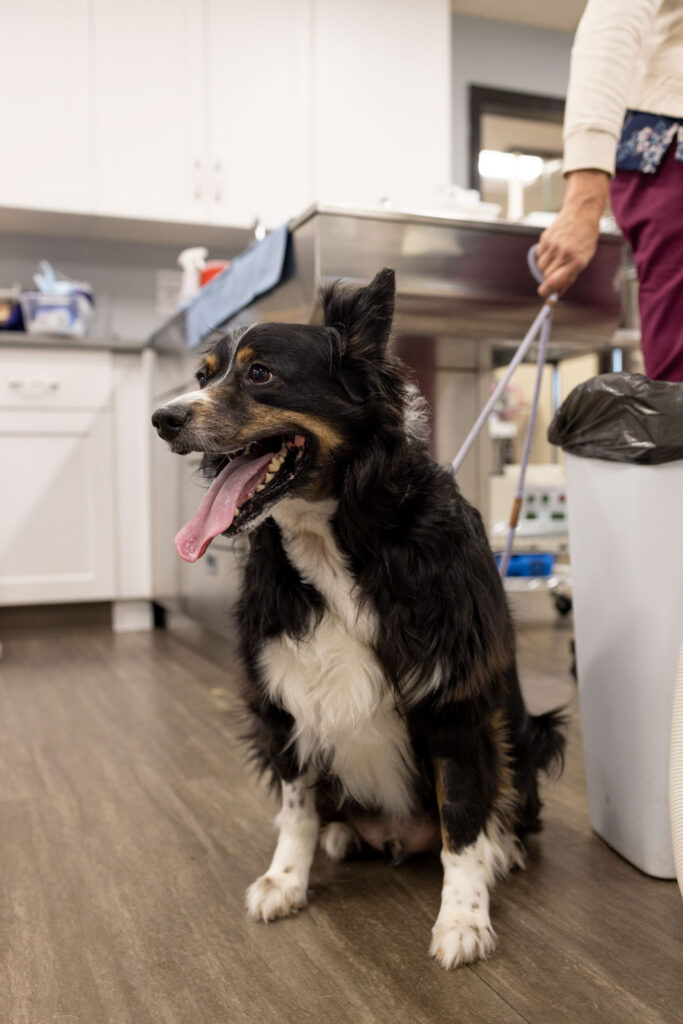
Why Pet Rehabilitation Matters
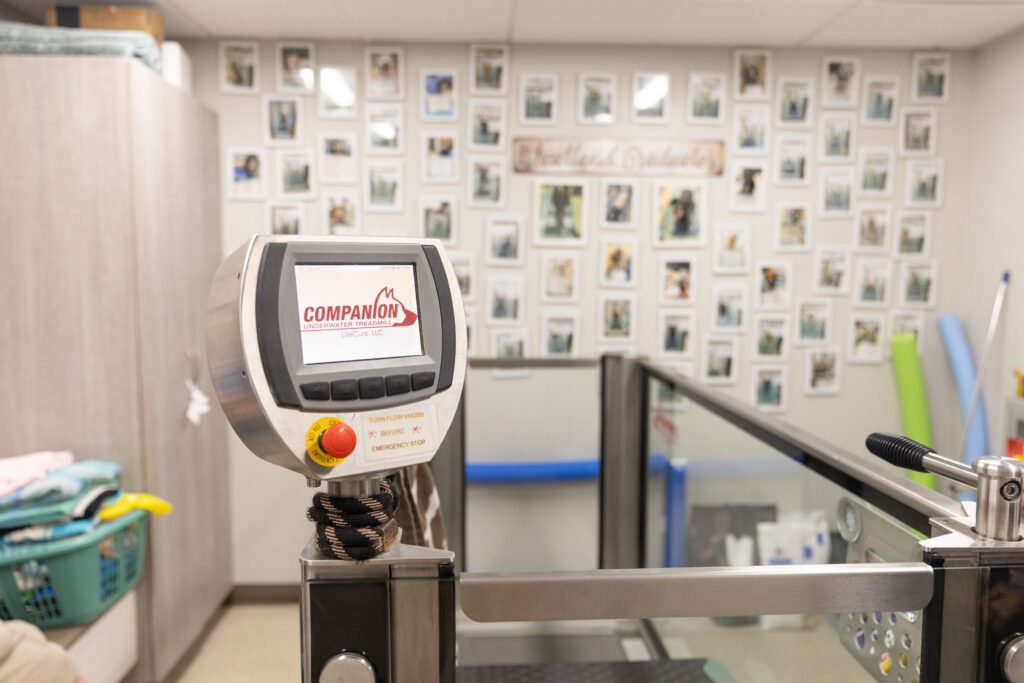
Pet rehabilitation therapy helps dogs recover from surgery, injury, and chronic conditions by improving mobility, reducing pain, and restoring function. A structured rehab program can significantly enhance your pet’s comfort and quality of life.
Post-Surgical Rehabilitation
After procedures like cranial cruciate ligament (CCL) repair or fracture stabilization, dogs often experience pain, swelling, and limited mobility. Rehabilitation therapy supports a faster, safer recovery through:
- Therapeutic exercises to rebuild strength
- Massage and manual therapy to reduce discomfort
- Laser and ultrasound to promote healing
The underwater treadmill is especially effective, allowing dogs to regain proper walking motion while reducing stress on joints. Land-based exercises further improve flexibility, balance, and coordination.
Arthritis & Chronic Conditions
Dogs with osteoarthritis or joint issues often experience stiffness, weakness, and decreased mobility. Rehabilitation therapy provides a non-invasive way to:
- Reduce joint pain and inflammation
- Improve strength and range of motion
- Maintain long-term mobility and comfort
Neurologic Rehabilitation
For conditions like IVDD or nerve injuries, rehab therapy helps improve strength, coordination, and limb function. Customized treatment plans focus on restoring movement and supporting nerve recovery.
Helping Your Dog Move Better
Whether recovering from surgery or managing a chronic condition, rehabilitation therapy helps dogs move more comfortably, heal more effectively, and return to daily activities sooner.
What to Expect
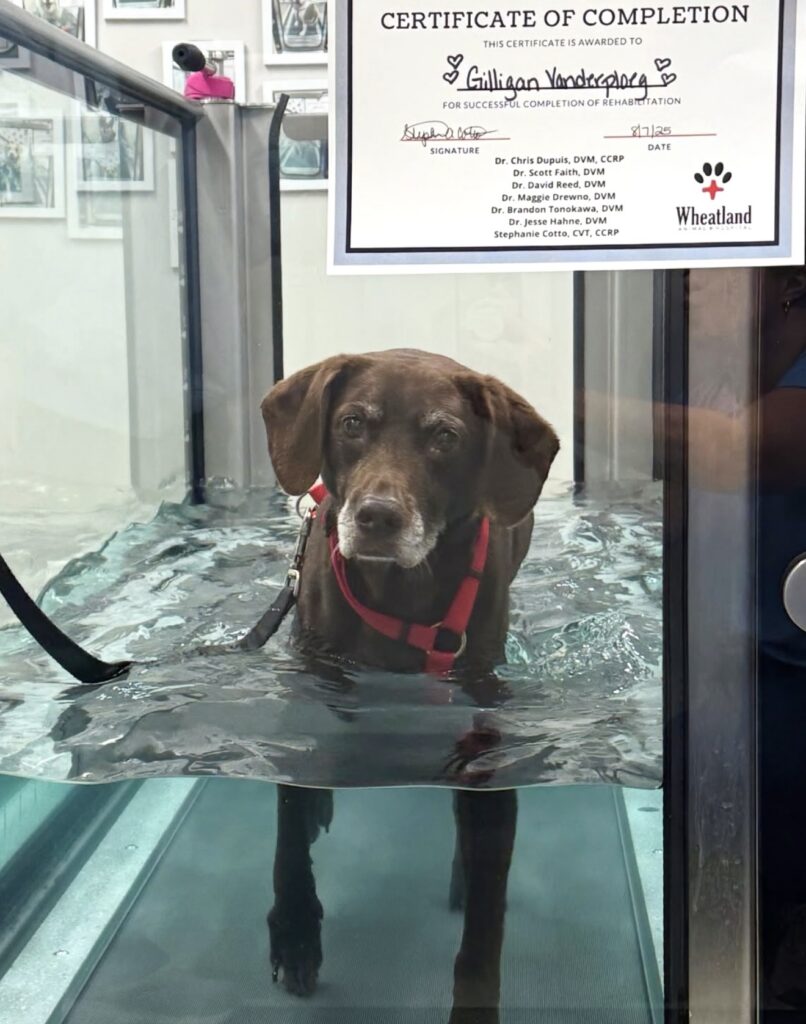
Rehabilitation therapy often begins shortly after surgery, with many pets starting structured recovery right away. For procedures involving mobility, such as orthopedic surgery, underwater treadmill therapy typically begins within 7–14 days, depending on your pet’s healing progress. Starting rehabilitation early can play a critical role in improving outcomes and helping your pet return to normal activity.
Pet rehabilitation is similar to physical therapy for people, but tailored specifically to your dog or cat’s unique needs. Whether your pet is recovering from surgery or managing a chronic condition, our program focuses on restoring function, improving comfort, and enhancing overall quality of life.
Rehabilitation therapy may benefit pets recovering from procedures like cruciate ligament repair, as well as those managing ongoing conditions such as arthritis or tendon injuries.
Our goals include:
- Improving strength in muscles and supporting structures
- Increasing joint flexibility and range of motion
- Reducing pain and inflammation
- Supporting a faster, safer recovery process
Our Commitment to You and Your Pet
When you visit our rehabilitation team, you can expect:
- A high level of professional skill and compassionate care
- A collaborative approach that keeps you involved in your pet’s treatment plan
- Clear communication to help you understand your pet’s condition and long-term care
- Respect for your time, with a strong effort to stay on schedule
- Transparent, straightforward pricing so you can make informed decisions
How You Can Support Your Pet’s Care
To help us provide the best experience possible, we ask that our clients:
- Schedule and keep appointments, with at least 24 hours’ notice for cancellations
- Share all relevant medical history and updates
- Communicate any questions or concerns directly with our team so we can address them promptly
Your Pet’s First Visit: What to Expect
Every pet’s rehabilitation journey starts with a thorough evaluation, tailored to their individual needs:
- If your pet is experiencing discomfort without a diagnosis:
We begin with a general evaluation. If we conclude that we need a specific diagnosis, we will offer a sedated orthopedic and neurologic evaluation. The sedation allows us to examine your pet without fear of the muscular restrictions that animals present. We will take X-rays where appropriate and necessary. After a diagnosis has been made, we will present a summary and discuss treatment options. If you are interested in rehabilitation therapy, we can complete our initial rehab evaluation at the same time. - If you’re seeking a second opinion:
We’ll perform an in-depth consultation, review your pet’s medical records, and provide guidance on diagnosis and treatment options. - If your pet already has a diagnosis and you’re pursuing rehabilitation:
We’ll schedule a dedicated rehabilitation evaluation. This includes gait and posture analysis, joint mobility measurements, and muscle assessments to create a customized therapy plan. - If you’re considering regenerative or stem cell therapy:
An initial examination will help determine if your pet is a candidate. X-rays are required for any joint being considered for treatment, and a full orthopedic evaluation may be recommended to ensure all affected areas are identified before building a treatment plan.
Pet Evaluations
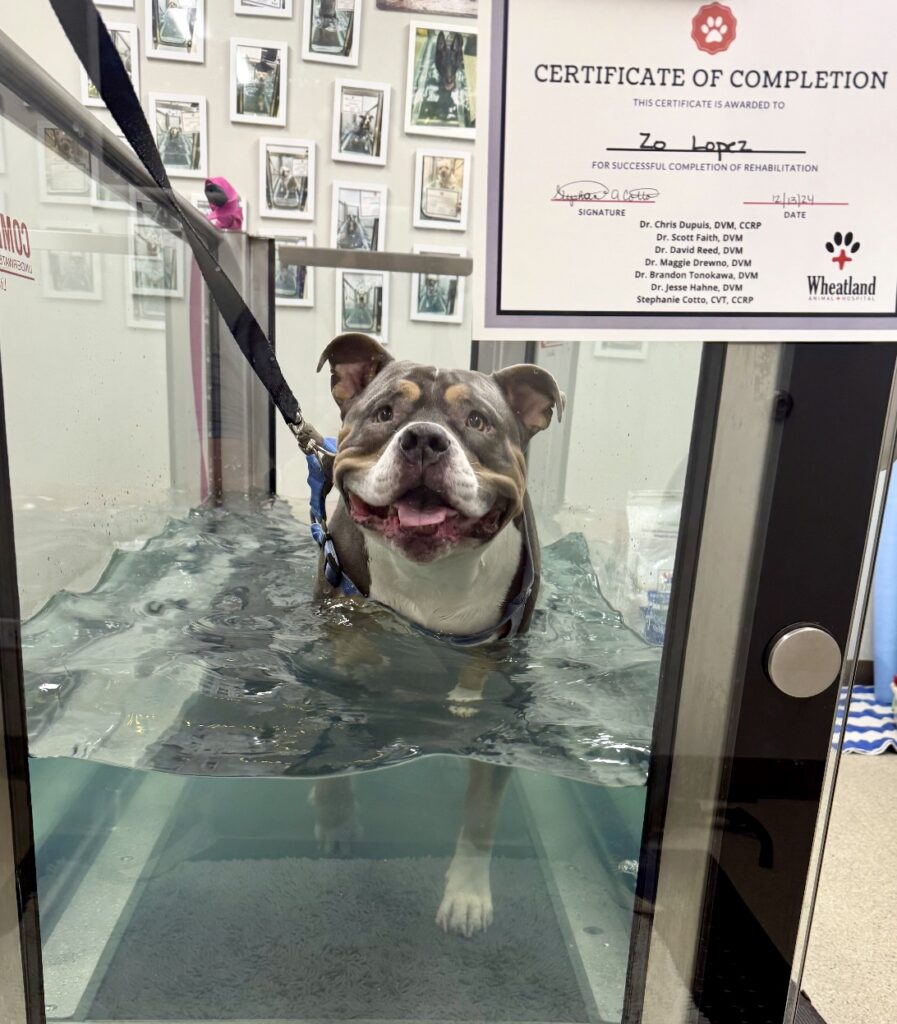
At Wheatland Animal Hospital, every pet begins their rehabilitation journey with a comprehensive evaluation. This initial assessment allows our team to develop a customized rehabilitation therapy plan tailored to your dog’s specific condition, mobility needs, and recovery goals.
Your pet’s pre-rehabilitation exam typically takes about 30 minutes and includes a thorough, hands-on assessment of their movement and overall function.]
During your pet’s evaluation, we assess:
- Joint range of motion
- Muscle mass (including thigh girth as an indicator of limb use)
- Gait and movement, including walking and trotting analysis
- Neurologic function, such as reflexes and proprioception
- Orthopedic health, including joint mobility, bone structure, and areas of discomfort
In some cases, a sedated orthopedic exam and diagnostic imaging (X-rays) may be recommended to allow for a more detailed and accurate diagnosis.
Preparing for Your Pet’s First Visit
A review of your pet’s medical history is an important part of creating an effective rehabilitation plan. Prior to your appointment, we ask that you complete our First Visit Form and provide any relevant medical records, including x-rays. Records can be emailed in advance or brought with you to your visit.